For a long time, the logic of travel in Brazil was simple.
Major urban centers concentrated decision-making, while the interior played a supporting role.
But this landscape has been shifting quietly.
In recent years, the interior of São Paulo has become the epicenter of a new economic dynamic, driven by industrial expansion, logistics growth, a strengthening agribusiness sector, and the emergence of large-scale developments.
Regions such as Campinas, Sorocaba, Indaiatuba, and Itu are no longer merely support areas — they have become destinations in their own right.
And when destinations change, the way people travel changes with them.
The emerging challenge
With this transformation, one factor gains increasing relevance: time.
Executives need to travel more frequently.
Operations require a physical presence across multiple regions.
Decisions cannot wait.
The traditional model is beginning to show its limitations.
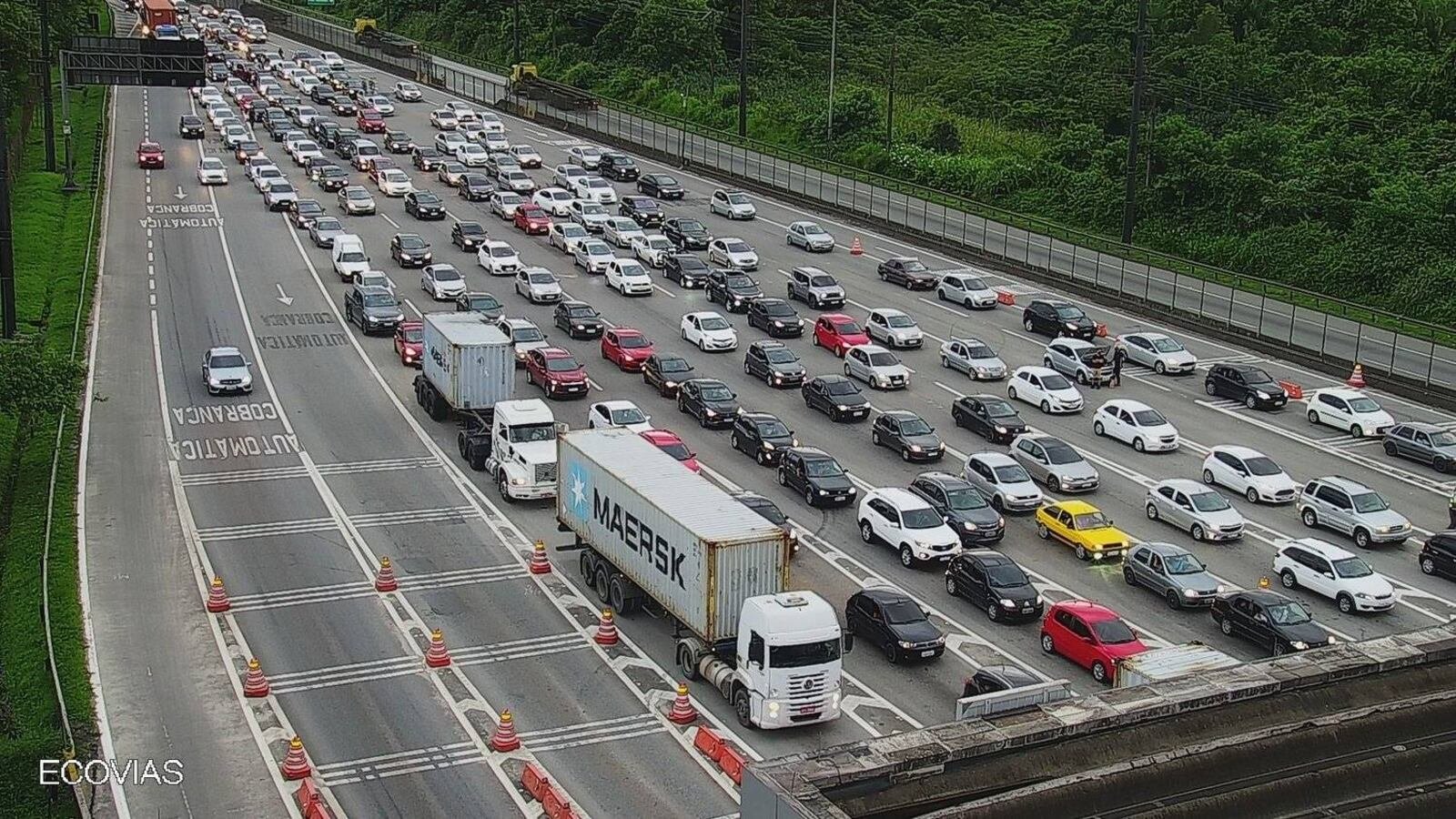
Long road trips, unpredictable traffic, and dependence on fixed routes erode efficiency.
At the same time, the available aviation infrastructure has not evolved at the same pace.
The demand for mobility has grown.
But the supply of infrastructure has not kept up.
When flying is no longer the exception
For a long time, executive aviation was associated with the concept of luxury.
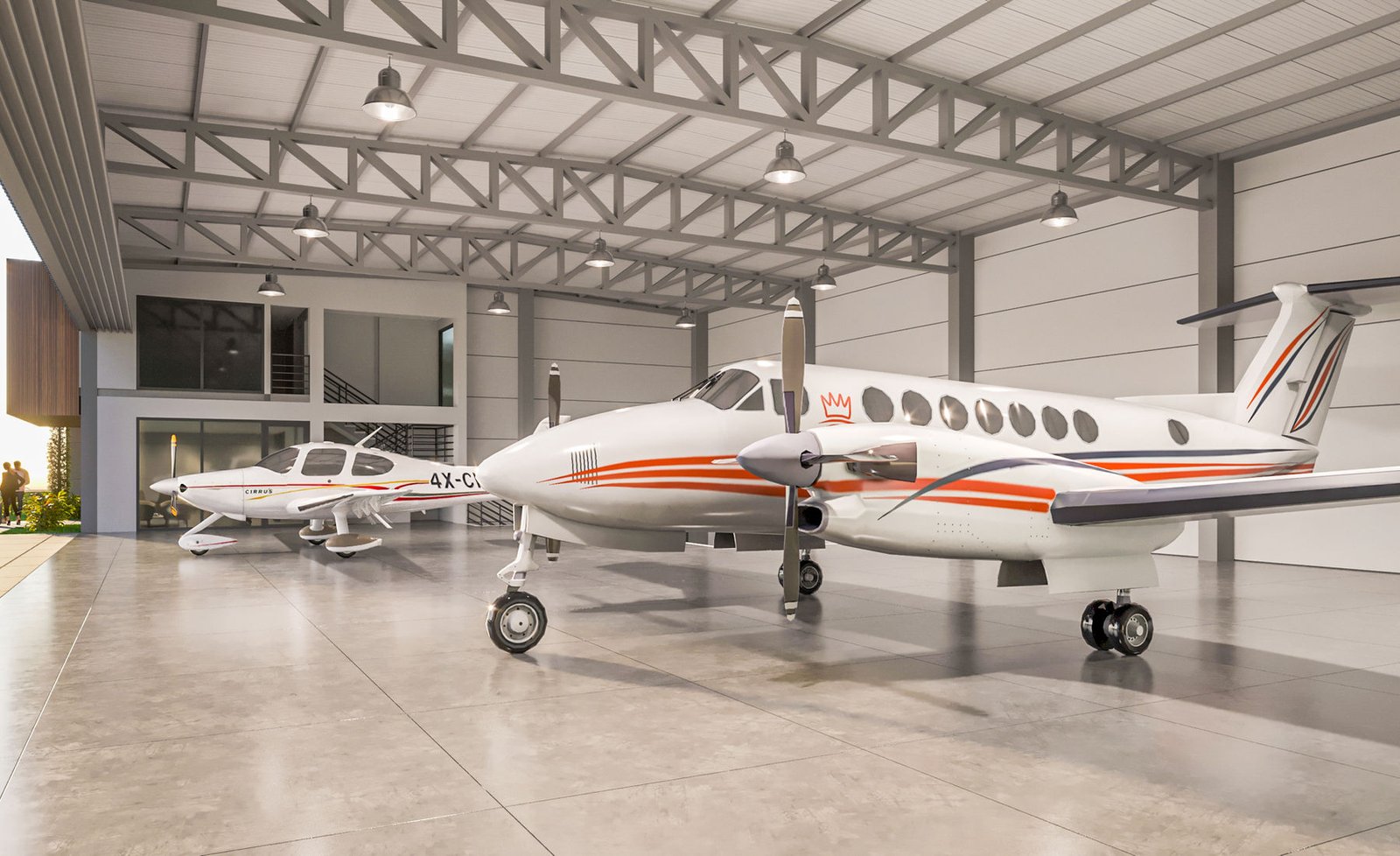
In practice, it solves a concrete problem: efficient travel.
A four- to five-hour drive can be reduced to approximately one hour.
No connections.
No dependence on fixed schedules.
No lost agenda time.
Moreover, access to aviation has diversified.
Today, models such as fractional ownership, hourly flight leasing, and on-demand operations are readily available.
This broadens the use of aviation as a true mobility tool.
A shift few are watching
Beyond industrial and logistics growth, the region is also attracting large-scale projects focused on entertainment and tourism.
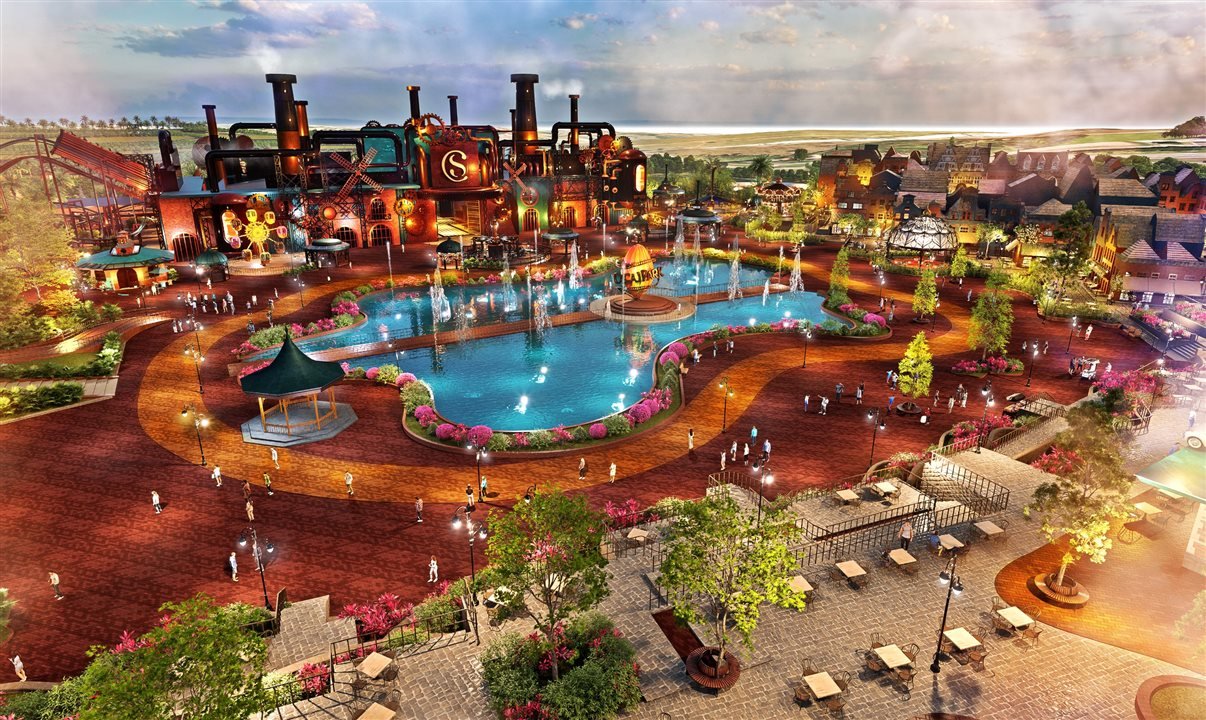
One of the most notable examples is the Cacau Show theme park, slated to open in 2027 in the city of Itu.
Developments of this magnitude tend to draw a continuous flow of visitors, executives, suppliers, and investors from across the country.
This kind of movement significantly amplifies travel dynamics.
Historically, when new hubs of this nature emerge, the demand for mobility expands consistently.
And the available infrastructure does not always keep pace with this evolution.
This gap creates a quiet opportunity.
Where new infrastructure comes in
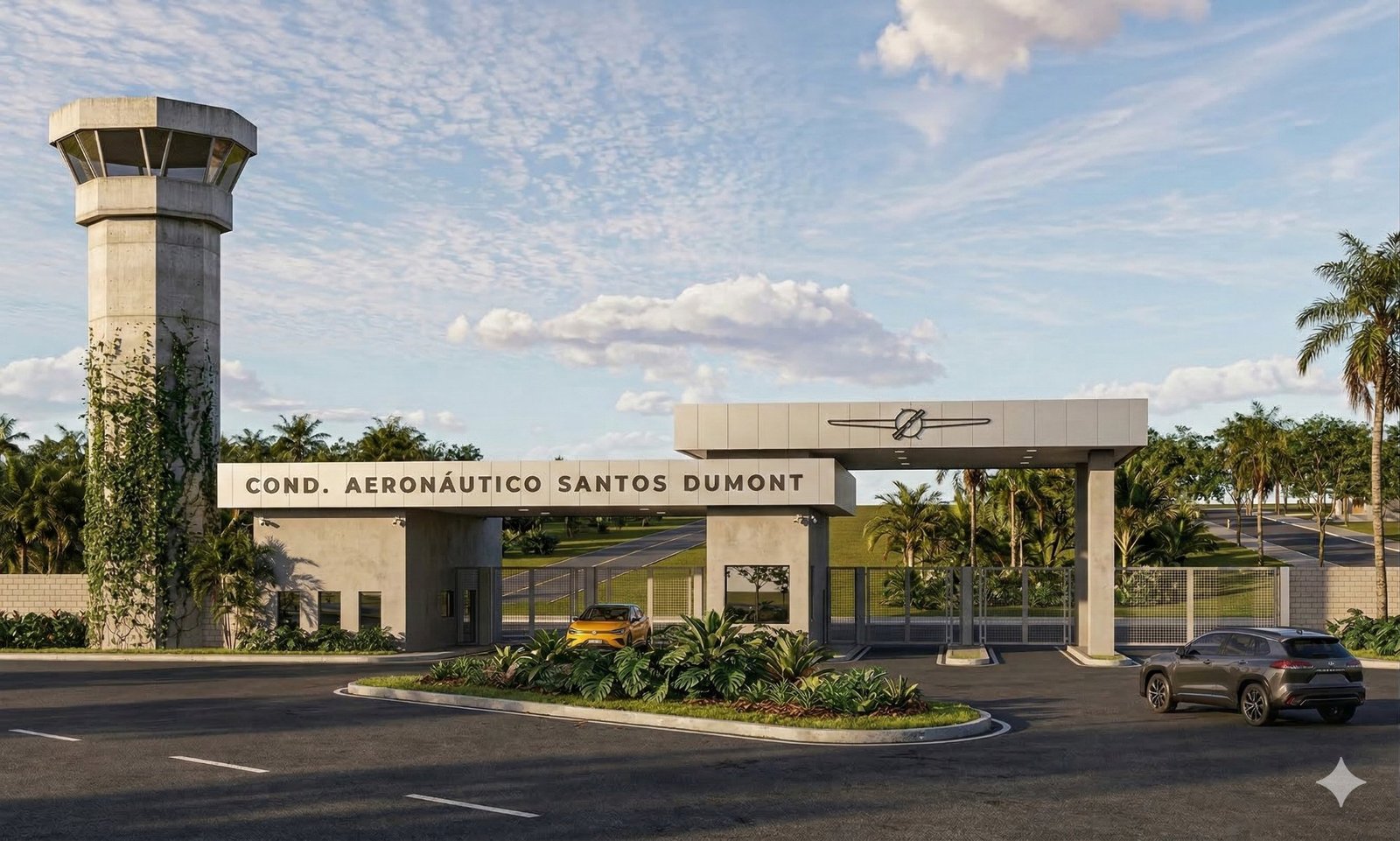
It is within this gap that new forms of access emerge.
Agile, strategically positioned infrastructure close to these hubs takes on a critical role.
It does not replace major airports.
But it complements operations.
It enables greater flexibility, better traffic distribution, and more direct access to destinations.
The role of Condomínio Aeronáutico Santos Dumont
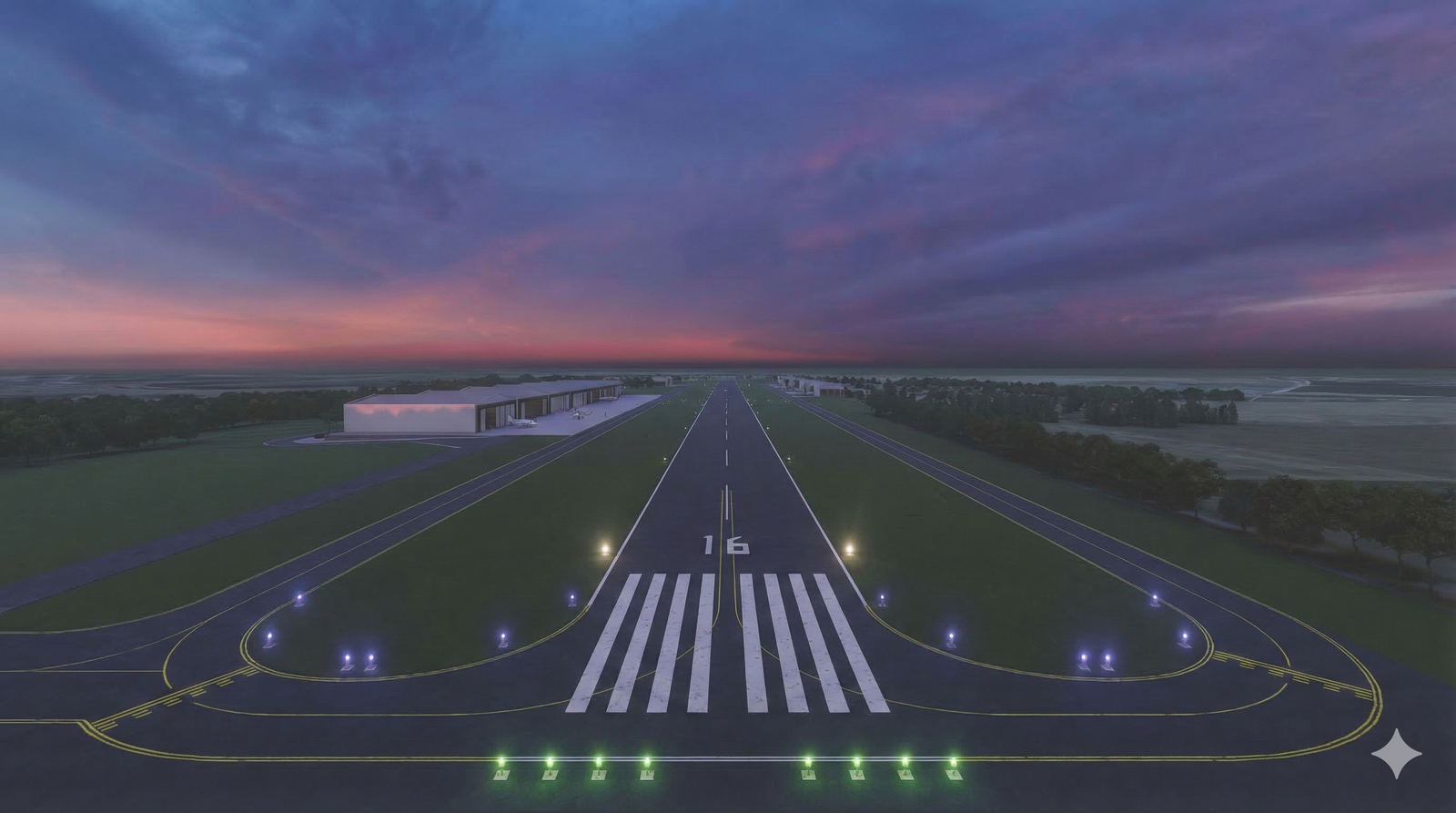
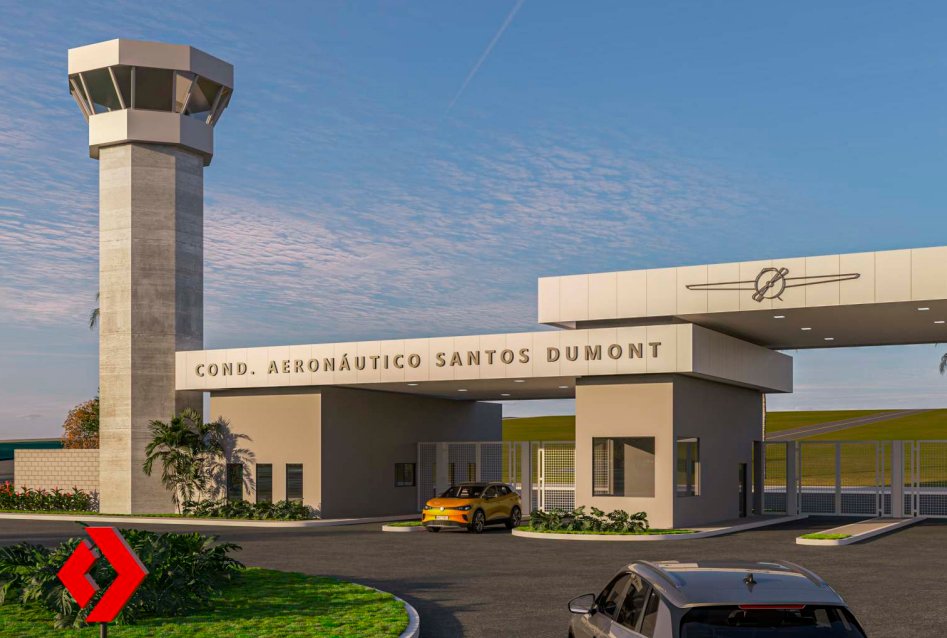
Located in Elias Fausto, near Viracopos and the Campinas region, Condomínio Aeronáutico Santos Dumont is positioned precisely within this context.
Featuring a 1,200-meter paved runway, night VFR operations, and infrastructure under ongoing development, the venture is established as a private base dedicated to general aviation.
More than a project, it is an infrastructure that moves in step with a larger shift.
A shift in which the interior becomes the center of decision-making.
And mobility must evolve alongside it.
A change that happens before it becomes evident

Structural transformations are not visible at the outset.
They begin gradually.
First, new hubs emerge.
Then traffic increases.
Next, infrastructure adjusts.
By the time this cycle is complete, the movement is already consolidated.
And the best positions have already been taken.
Final consideration
Mobility in the interior of São Paulo is changing.
Not abruptly.
But consistently.
And, as with any structural shift, the difference lies in the moment it is recognized.
```